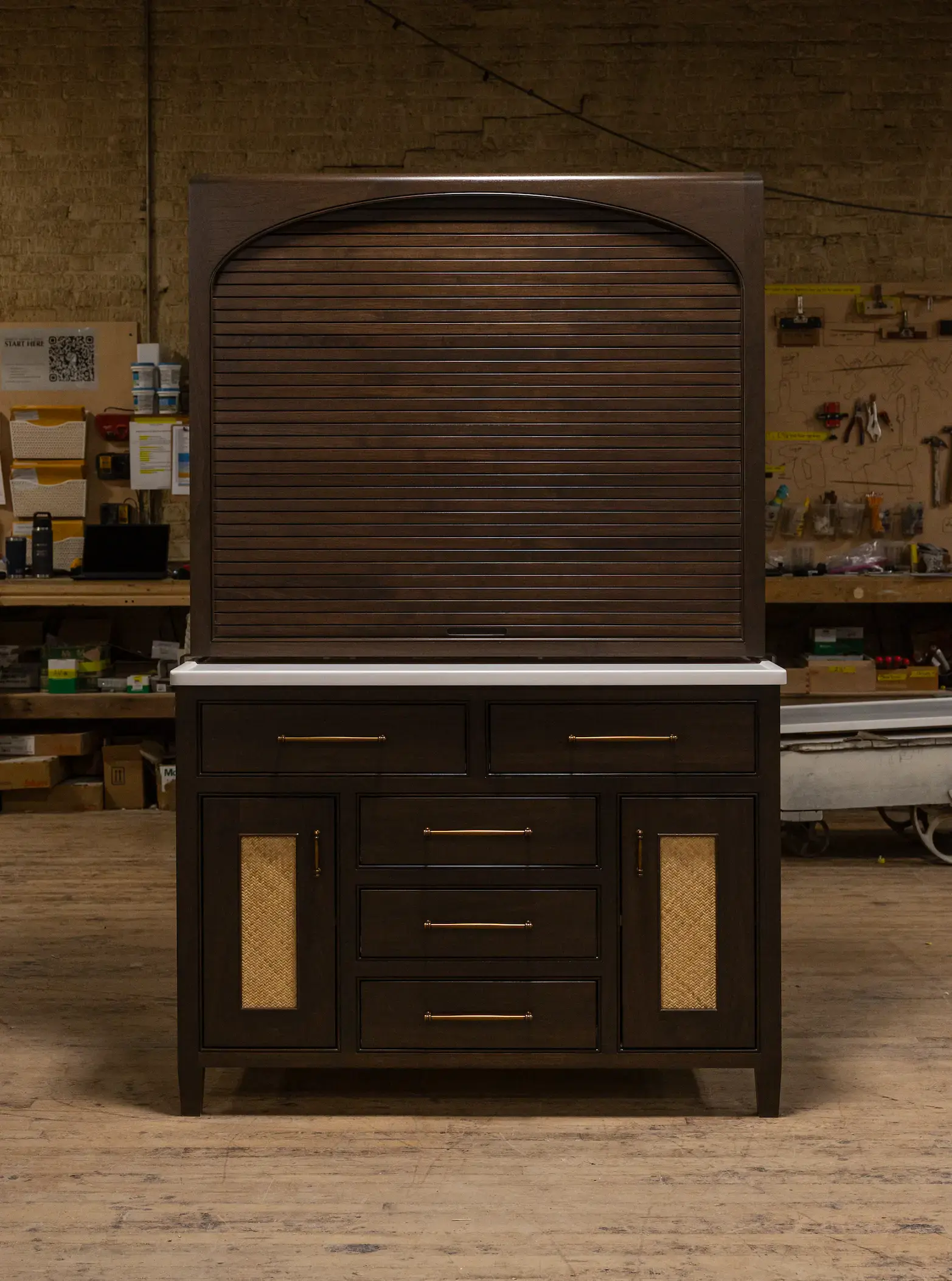
THE TRADITIONAL HOOSIER,
FAITHFULLY REINTERPRETED

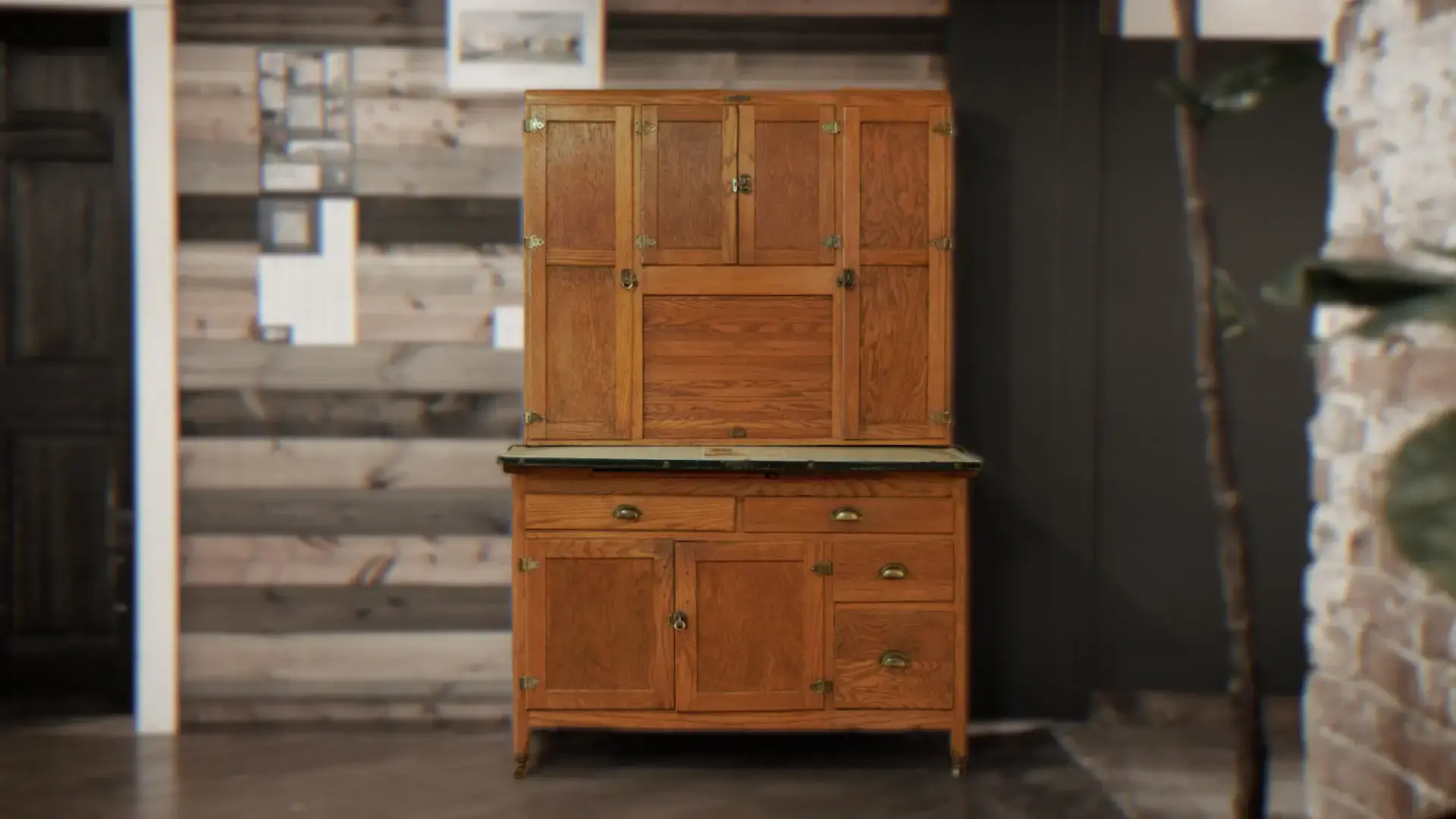
THE HOOSIER

The tambour door still rolls. The countertop still pulls out. The upper cabinet still organizes everything you reach for most. What's changed is the construction precision, the finish quality, and the range of ways to make it yours. Specify your wood species, finish, door style, and countertop. It arrives complete and ready to place


FROM $6,500
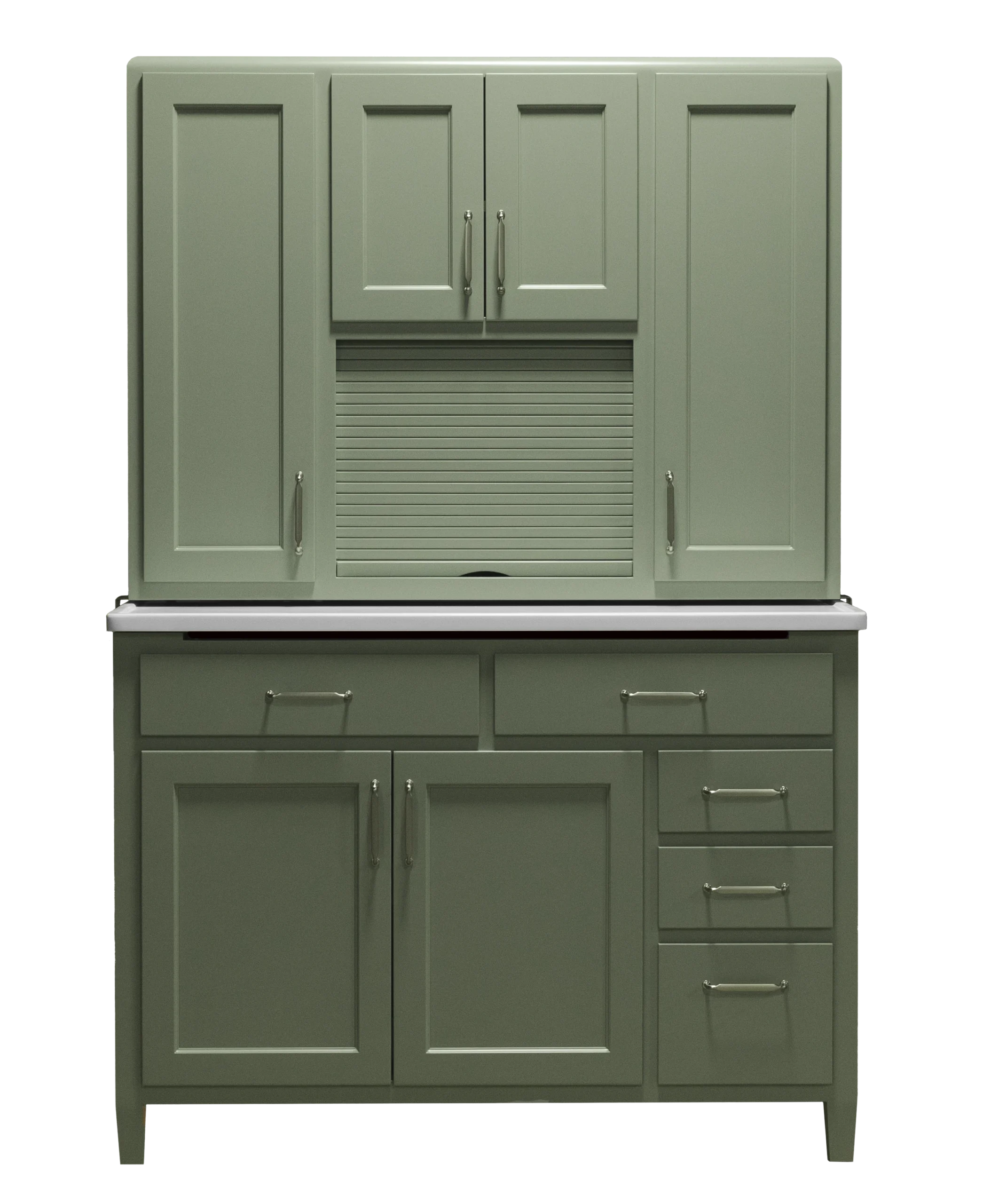
HERITAGE, REINTERPRETTED

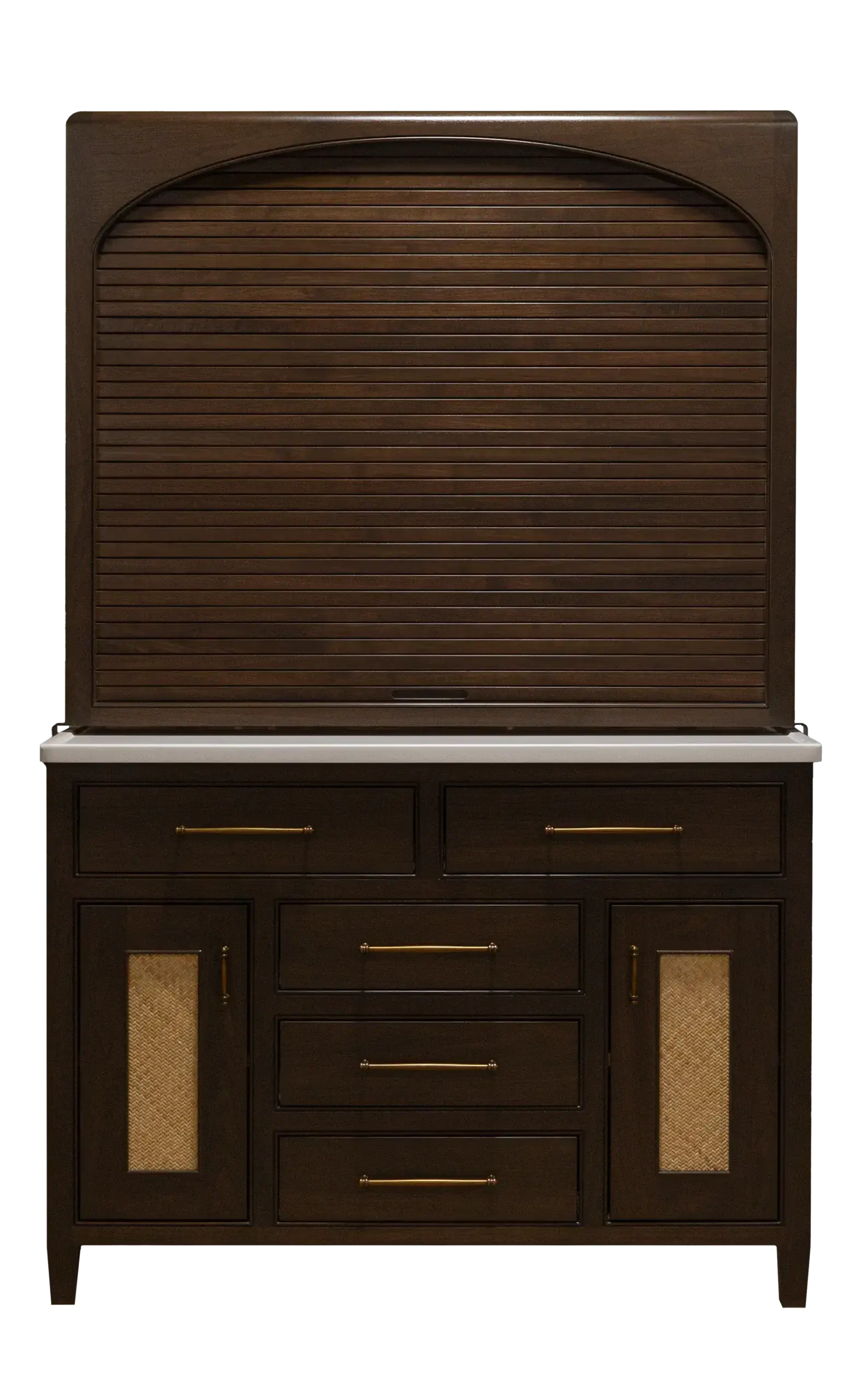
THE NAPANEE

The Napanee takes greater freedom with the familiar Hoosier form. Warm wood, a dramatic tambour and woven details create a piece that feels rooted in traditional furniture while distinctly its own. More expressive than the Hoosier and more decorative in character, it shows how Coppes heritage can inspire something new without becoming nostalgic.

Crafted to stand on its own, the Napanee brings warmth, texture and presence to the room around it.


FROM $7,500

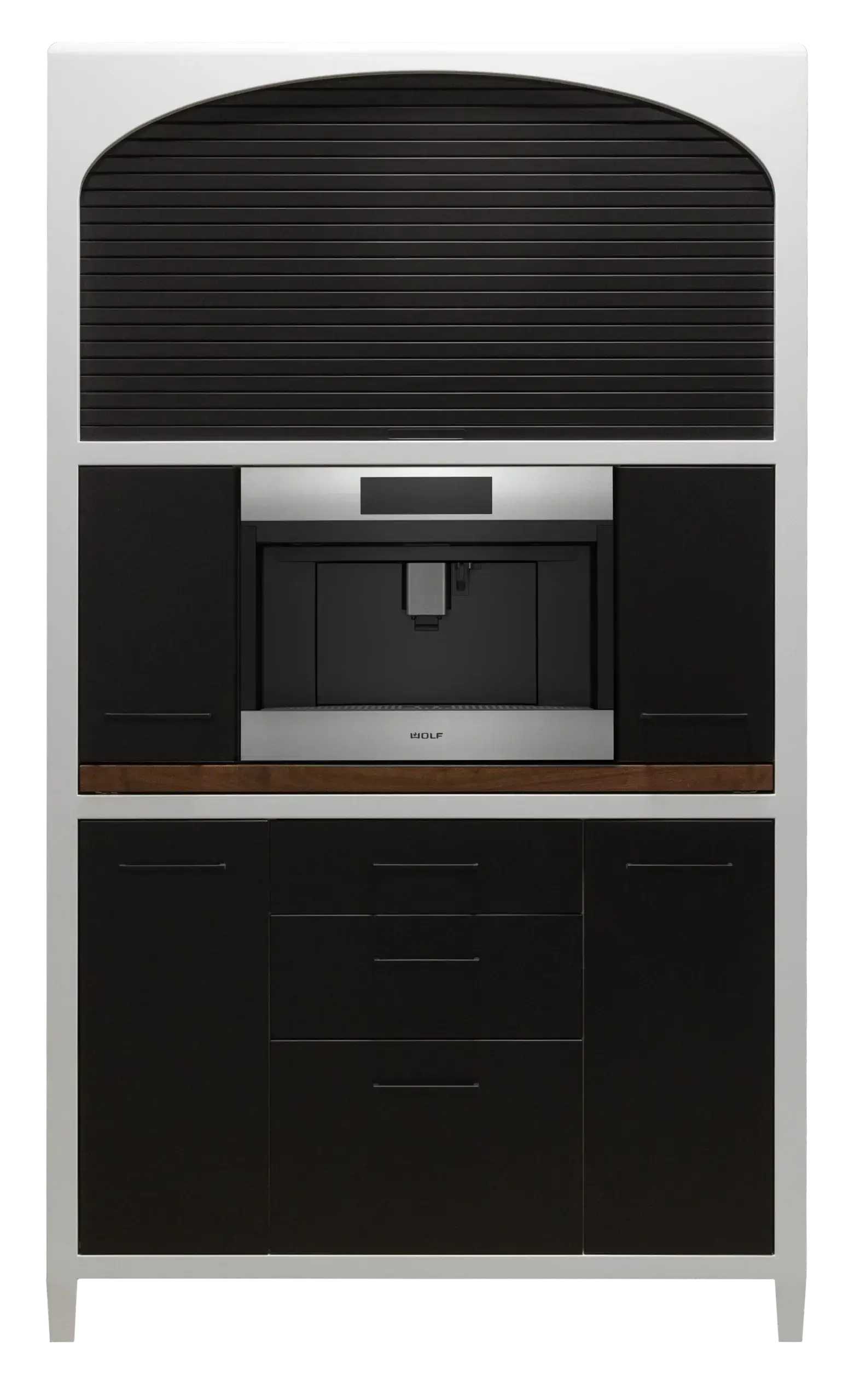
BUILT FOR COFFEE

THE CAFE

The Cafe starts with the classic Hoosier form and rebuilds it entirely around the modern kitchen bar. The tambour opens to reveal a dedicated appliance space with a built-in plumbing knockout for a Wolf or comparable built-in coffee machine—or leave it open for an espresso setup, grinder, and gear. The countertop pulls out to extend your workspace when you need it. Below, a waste pullout and drawer stack keep the counter clear. The Cafe is a home bar, a coffee station, a butler's pantry and a welcome center, all in one.   

FROM $10,000

WITH WOLF COFFEE MACHINE $15,000
THE STORY SO FAR
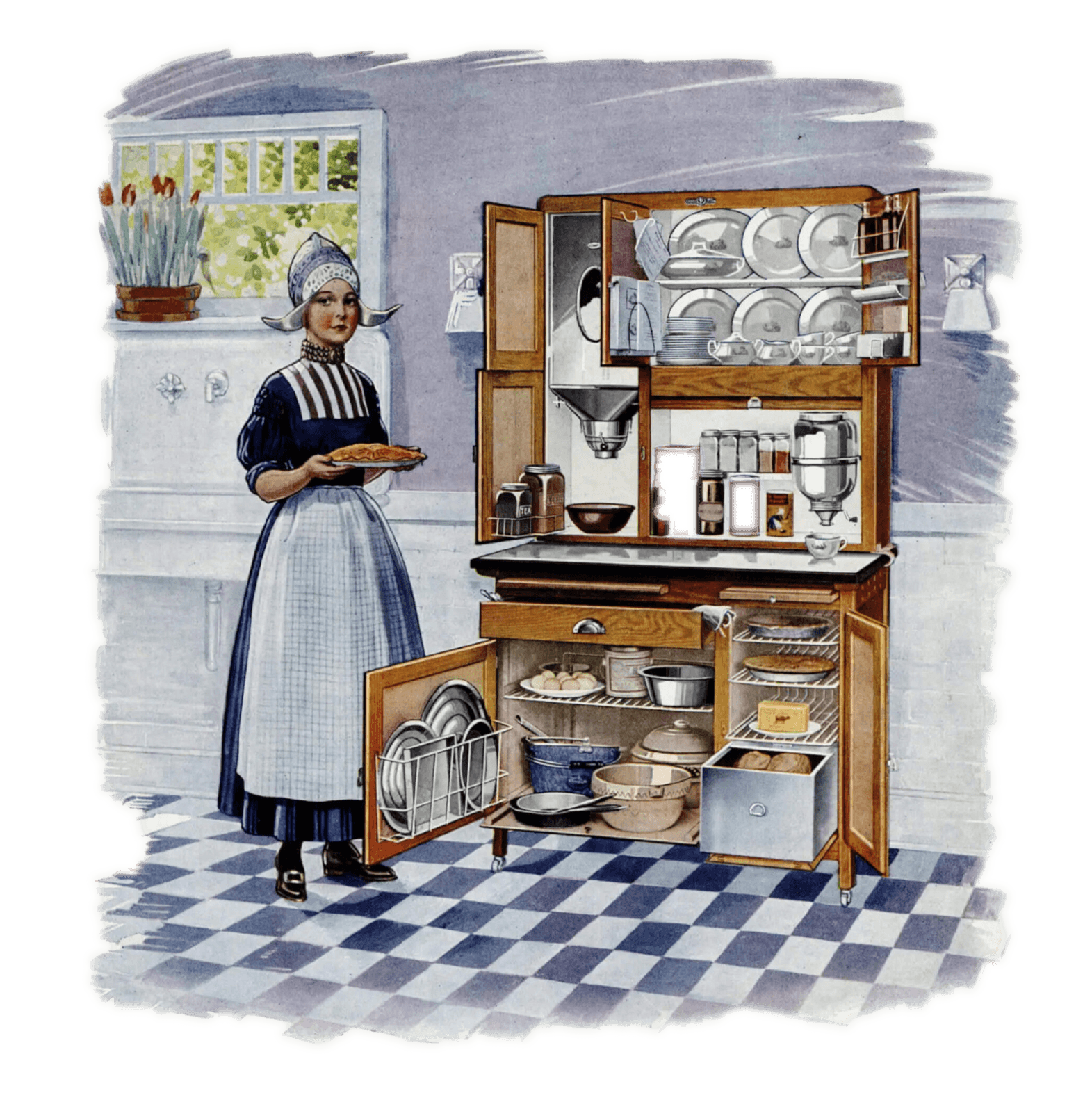
1916

THE CABINET THAT CHANGED THE AMERICAN KITCHEN

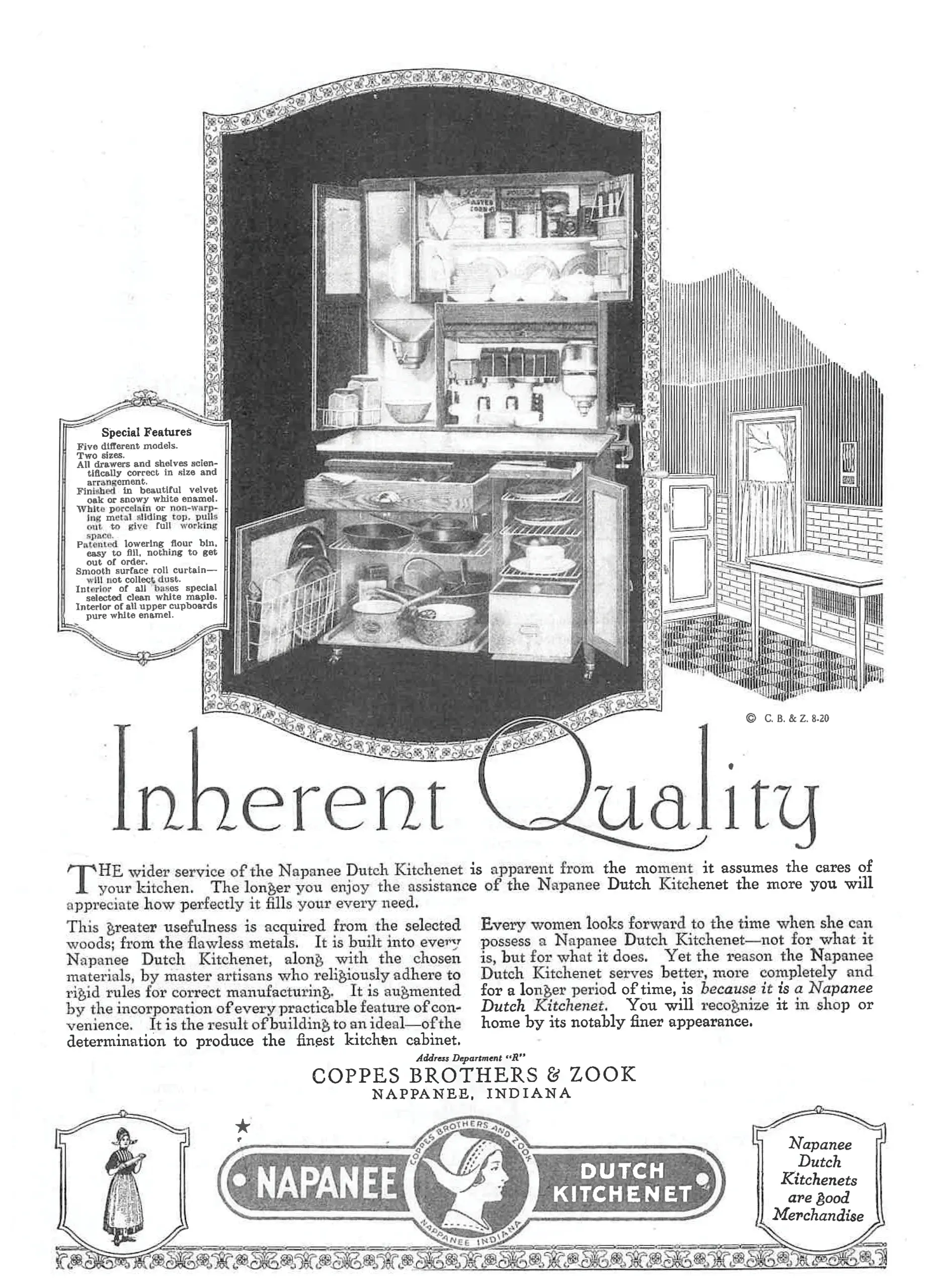
In 1916, Coppes Napanee introduced the Hoosier Cabinet. Flour sifter, sugar bin, pull-out workspace, upper storage—everything a cook reached for, consolidated into one carefully considered piece of furniture. It would find its way into over a million American homes.

1920's

THE KITCHEN'S MOST USEFUL OBJECT

Through the 1920s, the Hoosier Cabinet became a fixture in American kitchens. Manufacturers competed on features, but Coppes Napanee remained among the most respected makers. It was the first truly efficient kitchen storage system, engineered furniture decades before that phrase existed.

1940's - 1950's

THE BUILT-IN KITCHEN TAKES OVER

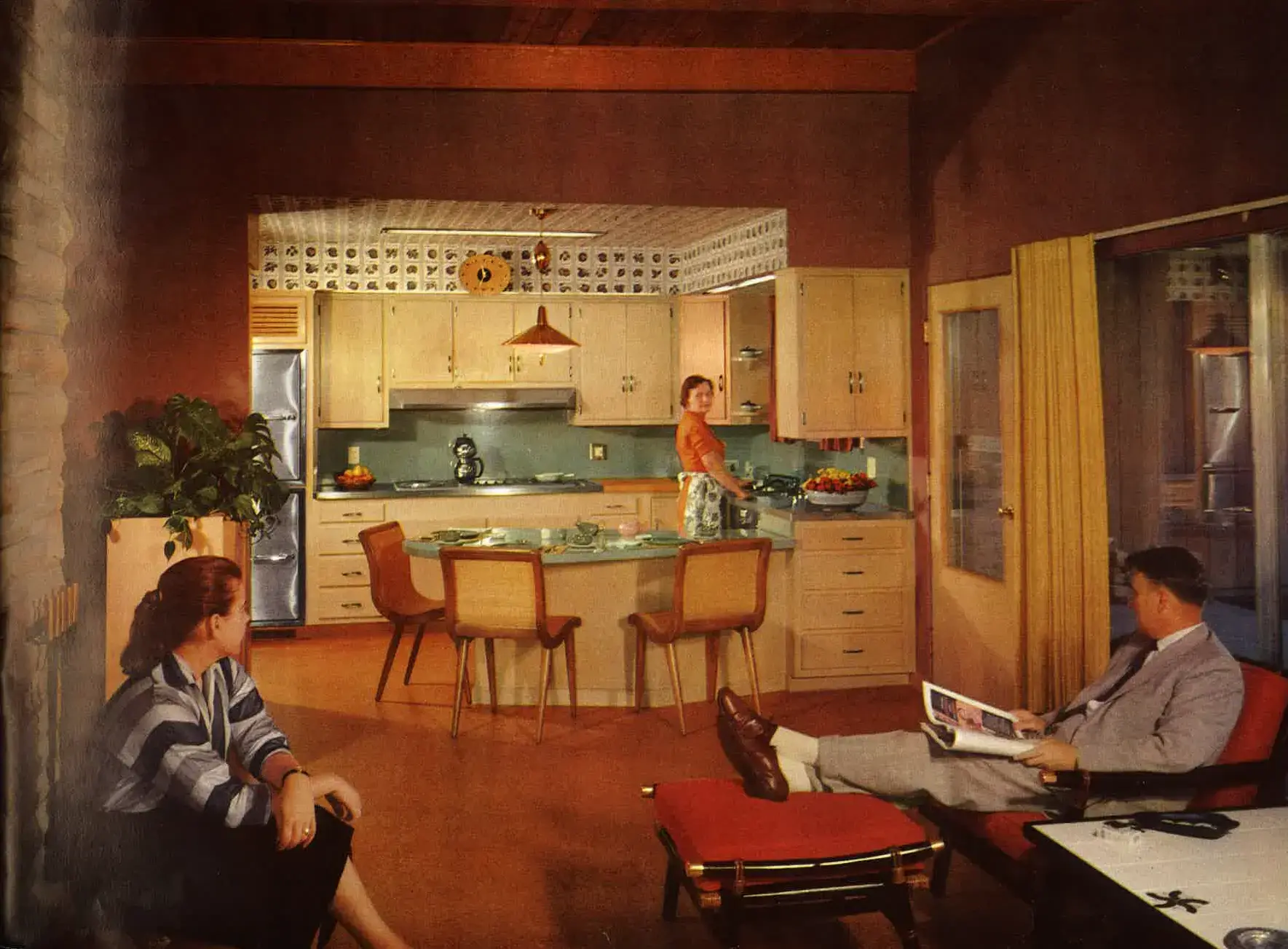
After World War II, the American kitchen moved toward built-in cabinetry running wall to wall. The freestanding Hoosier Cabinet began to disappear. Families moved, kitchens were remodeled, and production wound down quietly.

Late 20th Century

THE COLLECTORS FIND IT

Decades later, the Hoosier Cabinet found a second life among antique collectors and design enthusiasts. Original Coppes pieces became sought-after objects: genuinely well-made, genuinely useful, and genuinely gone. Restored Hoosiers began reappearing in the kitchens and dining rooms of people who recognized what had been lost.

2026

THE HOOSIER RETURNS

With the original Hoosier Cabinet approaching its 110th anniversary, Coppes Napanee decided to bring it back. Not as a reproduction. As a serious piece of furniture, reengineered from the ground up with the same hardwood construction and daily-use durability that defined the original.