
COPPES NAPANEE 150
The Hoosier Cabinet Reborn.
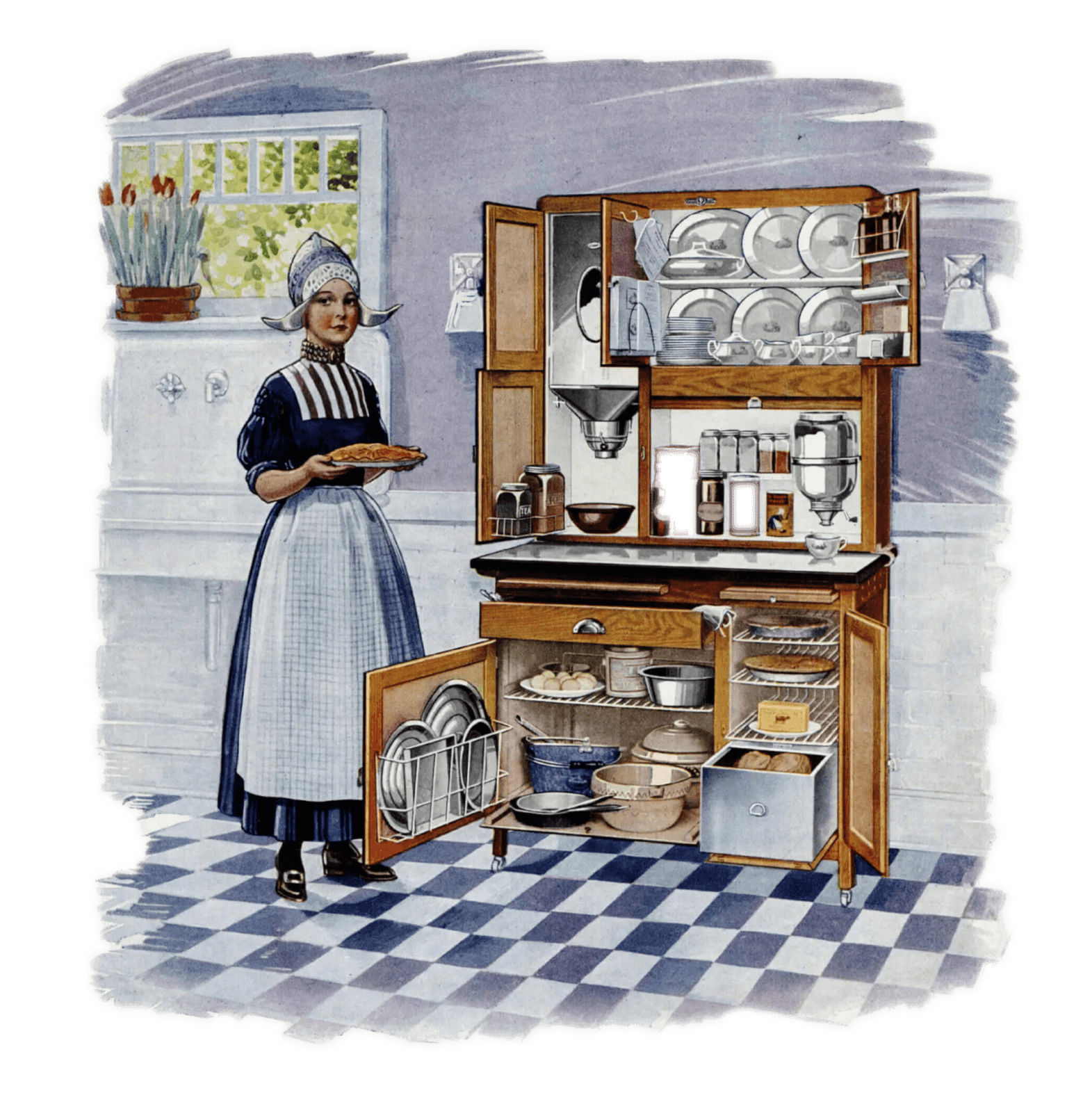
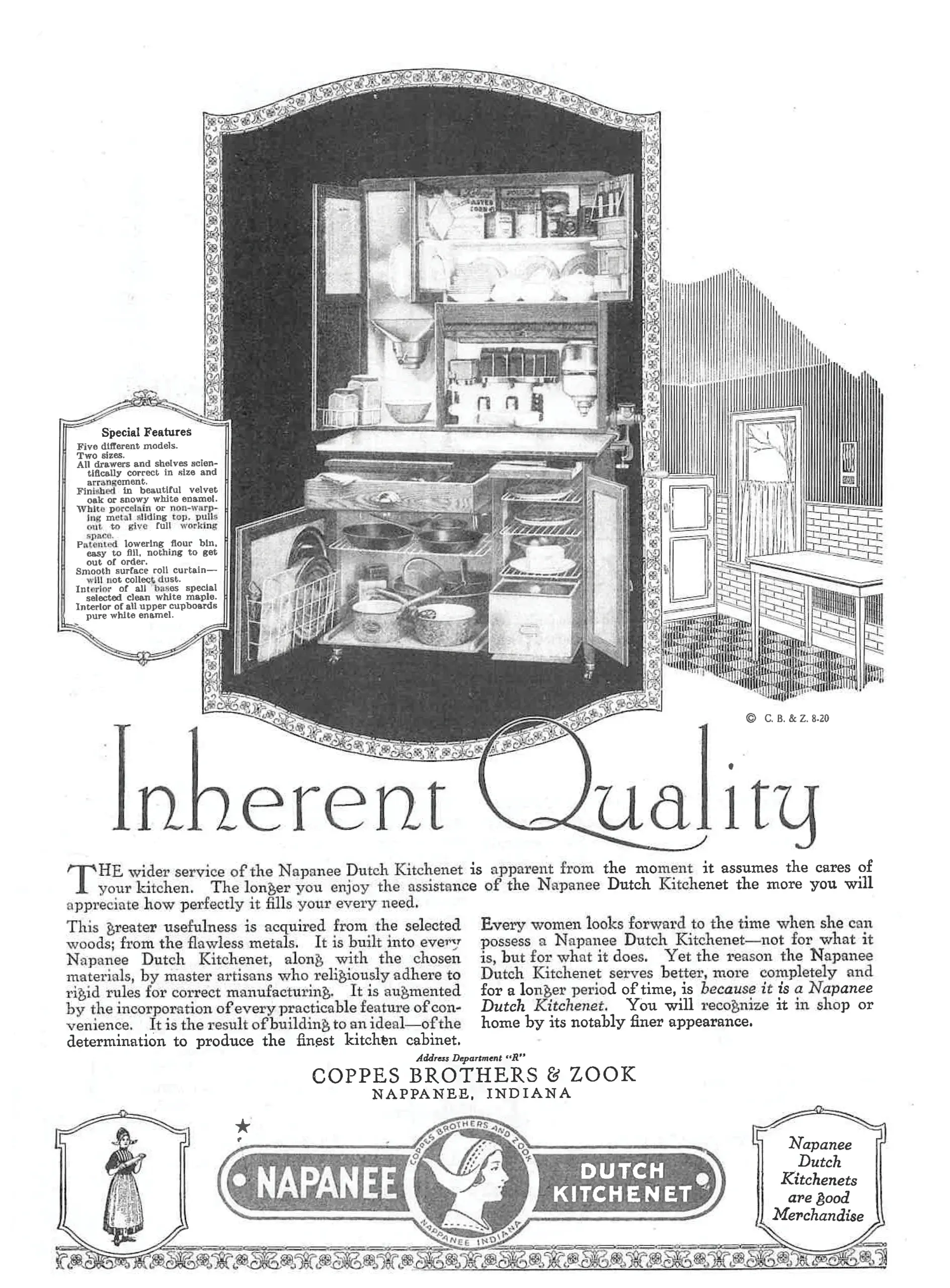
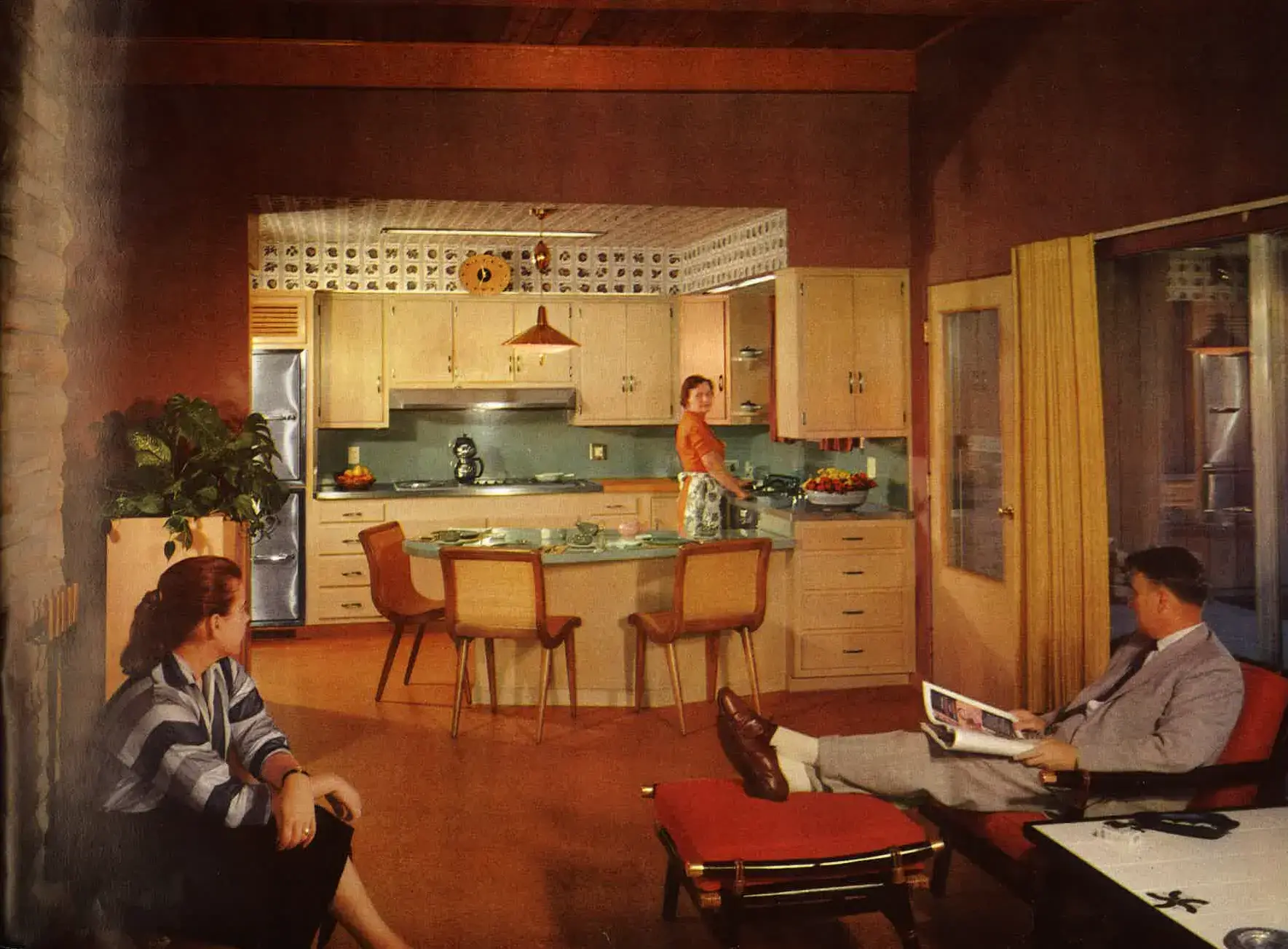
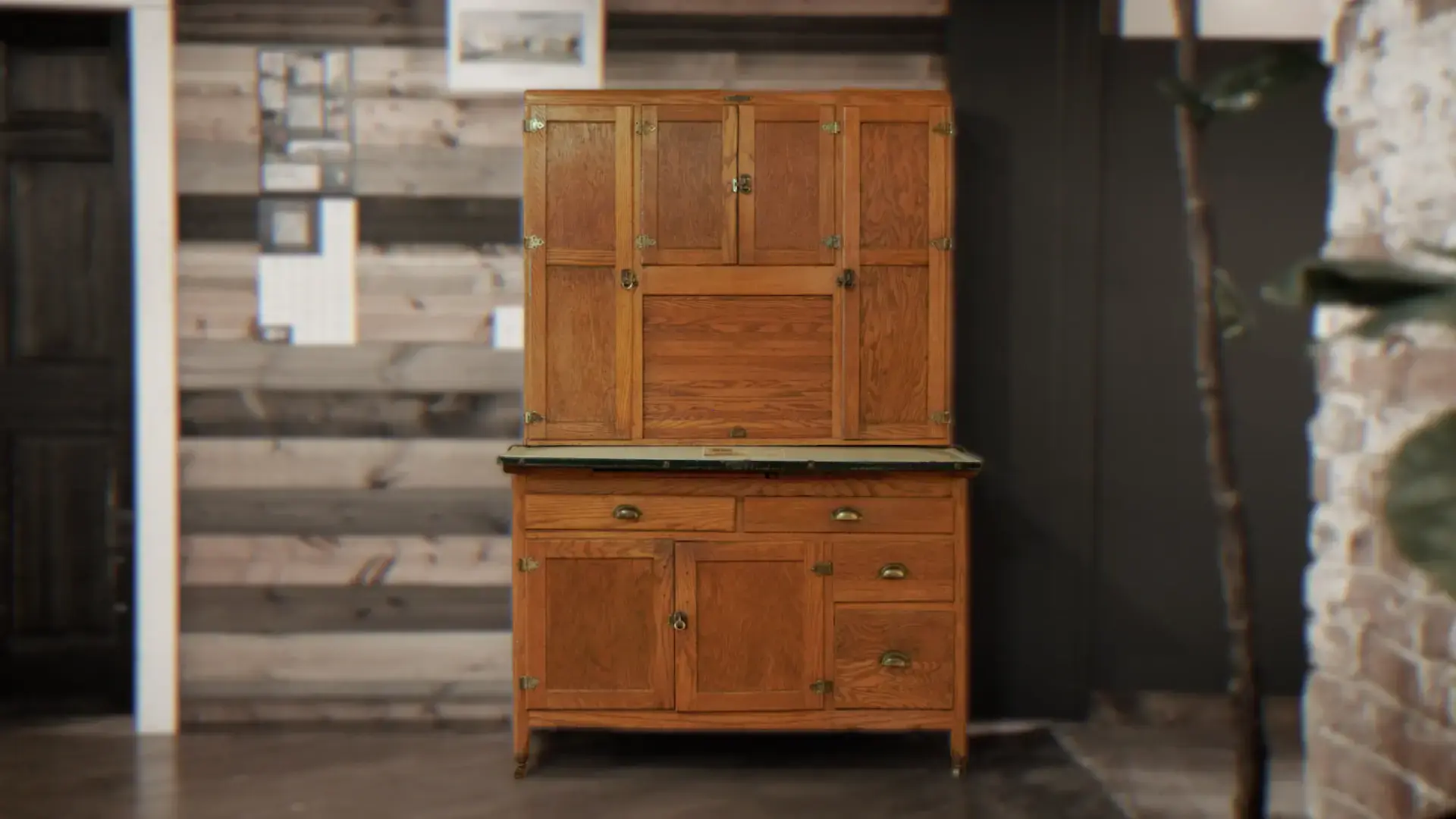
The most functional piece of furniture ever built for the American kitchen is back. Coppes Napanee built the original Hoosier Cabinet in Nappanee, Indiana, starting in 1916. Over a million homes had one. Then the modern built-in kitchen arrived, and the world moved on. We never forgot what made it work. A century later, we built it again with the same hardwood frames, the same commitment to daily use, and every detail reconsidered for the way you live now.
Current Hoosier Cabinet Models
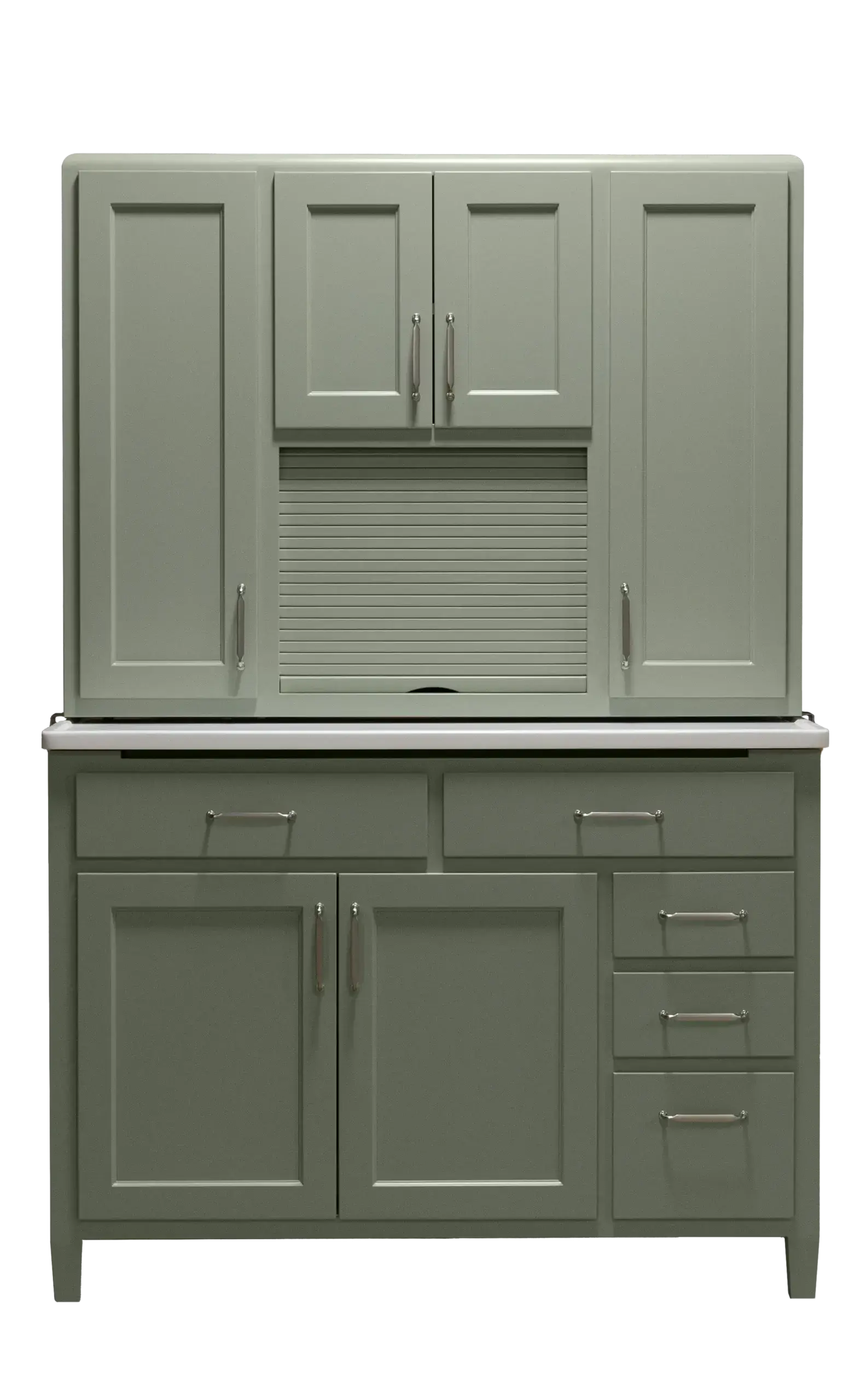
MODEL A
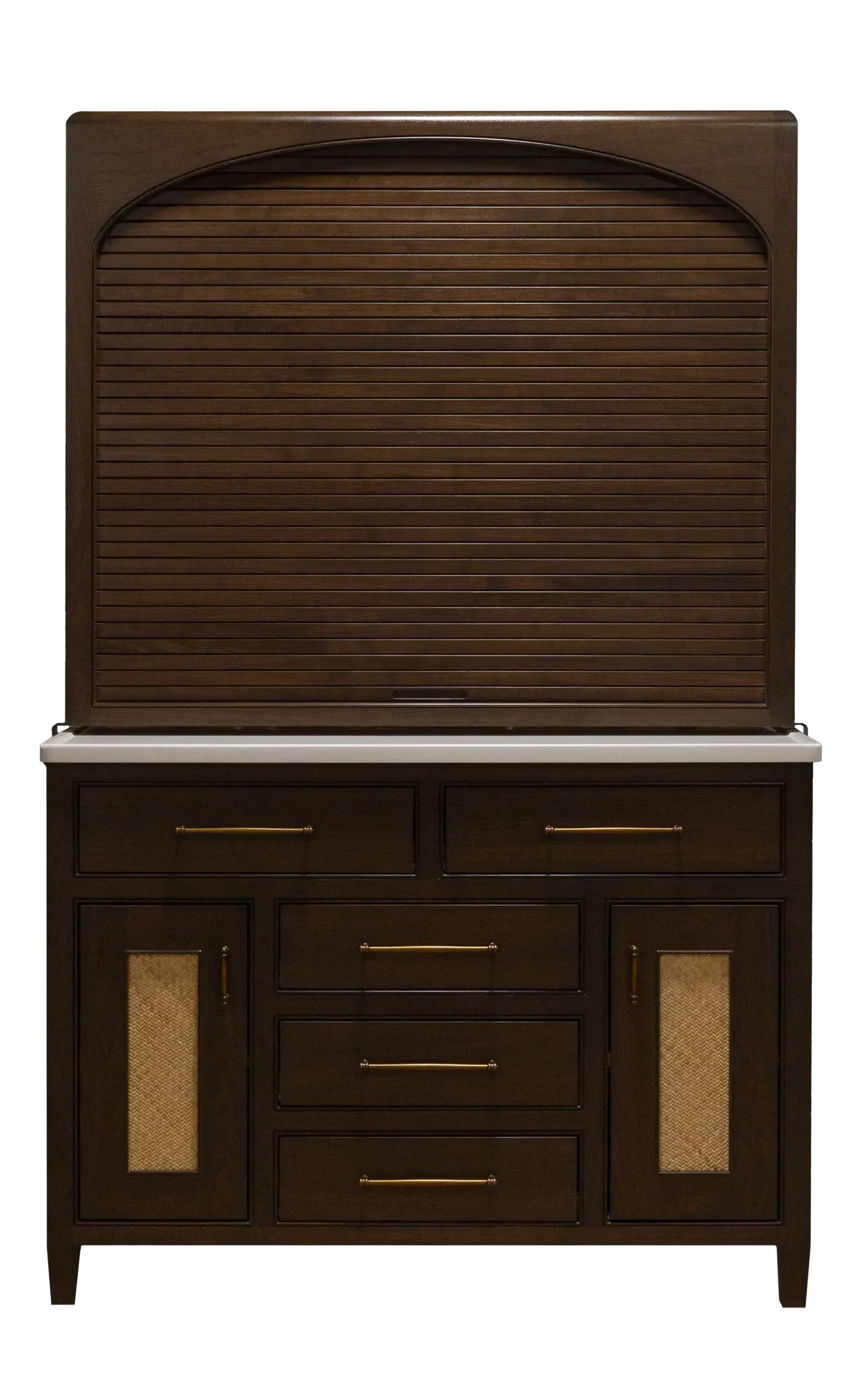
MODEL B
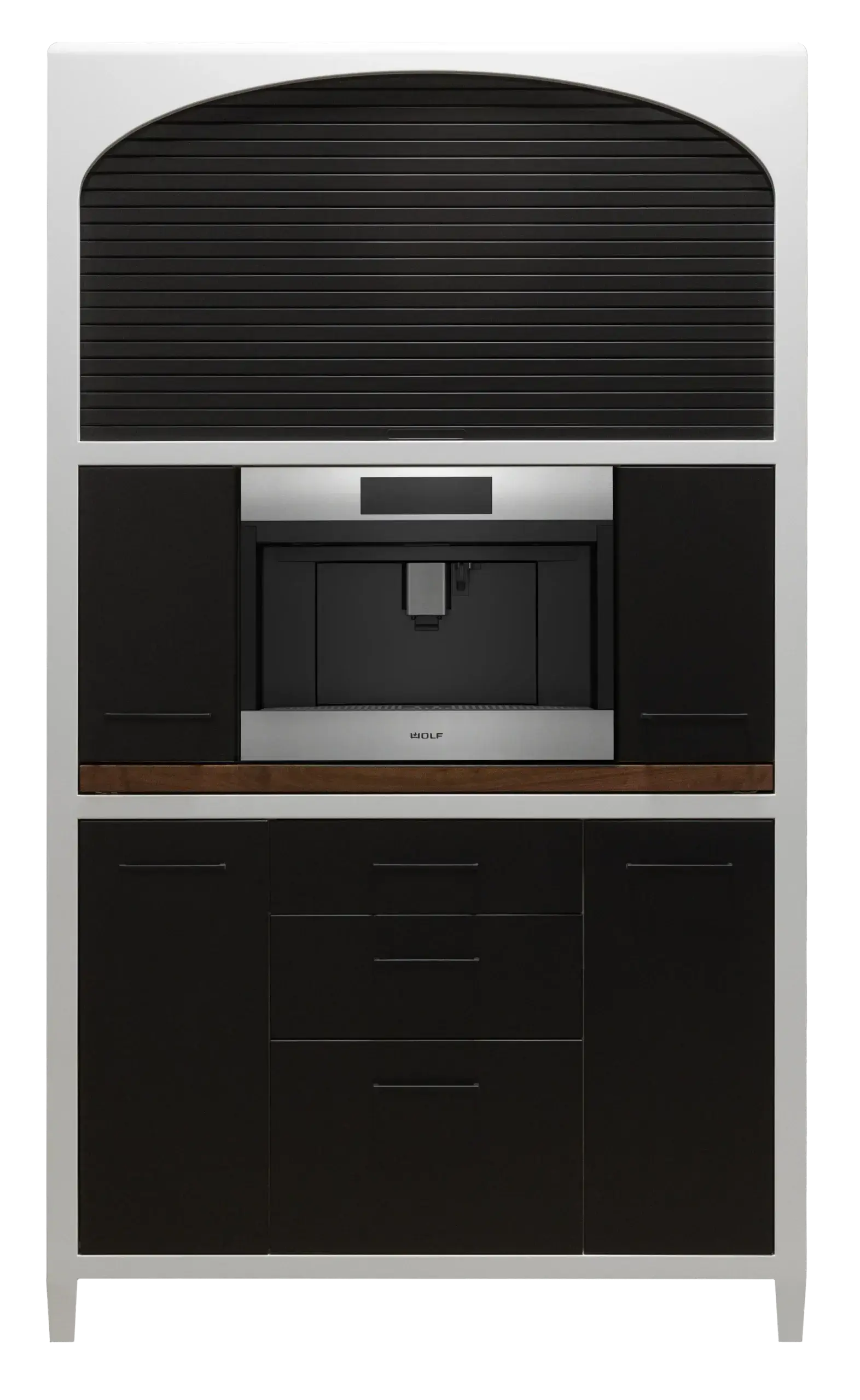
MODEL C
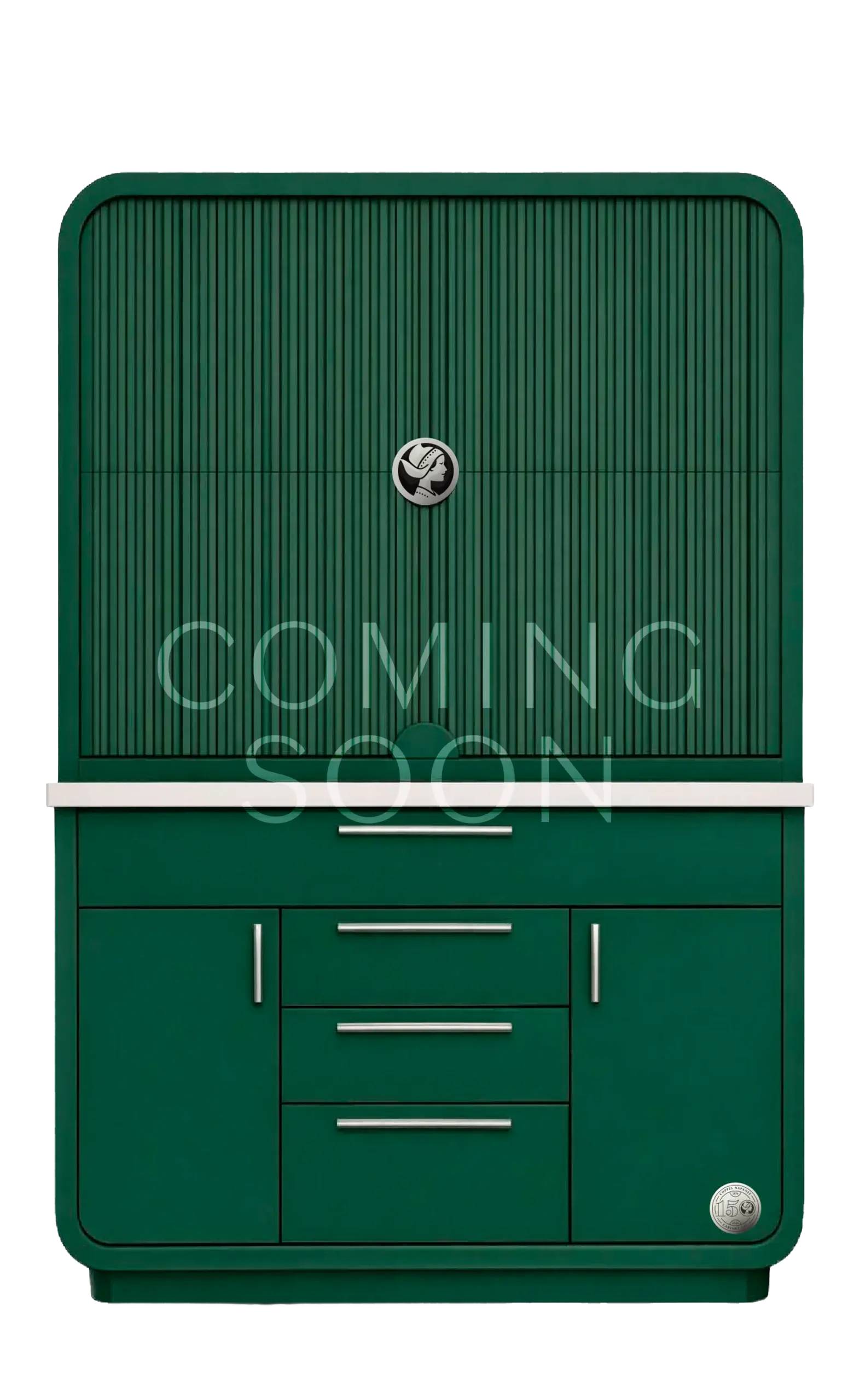
MODEL D
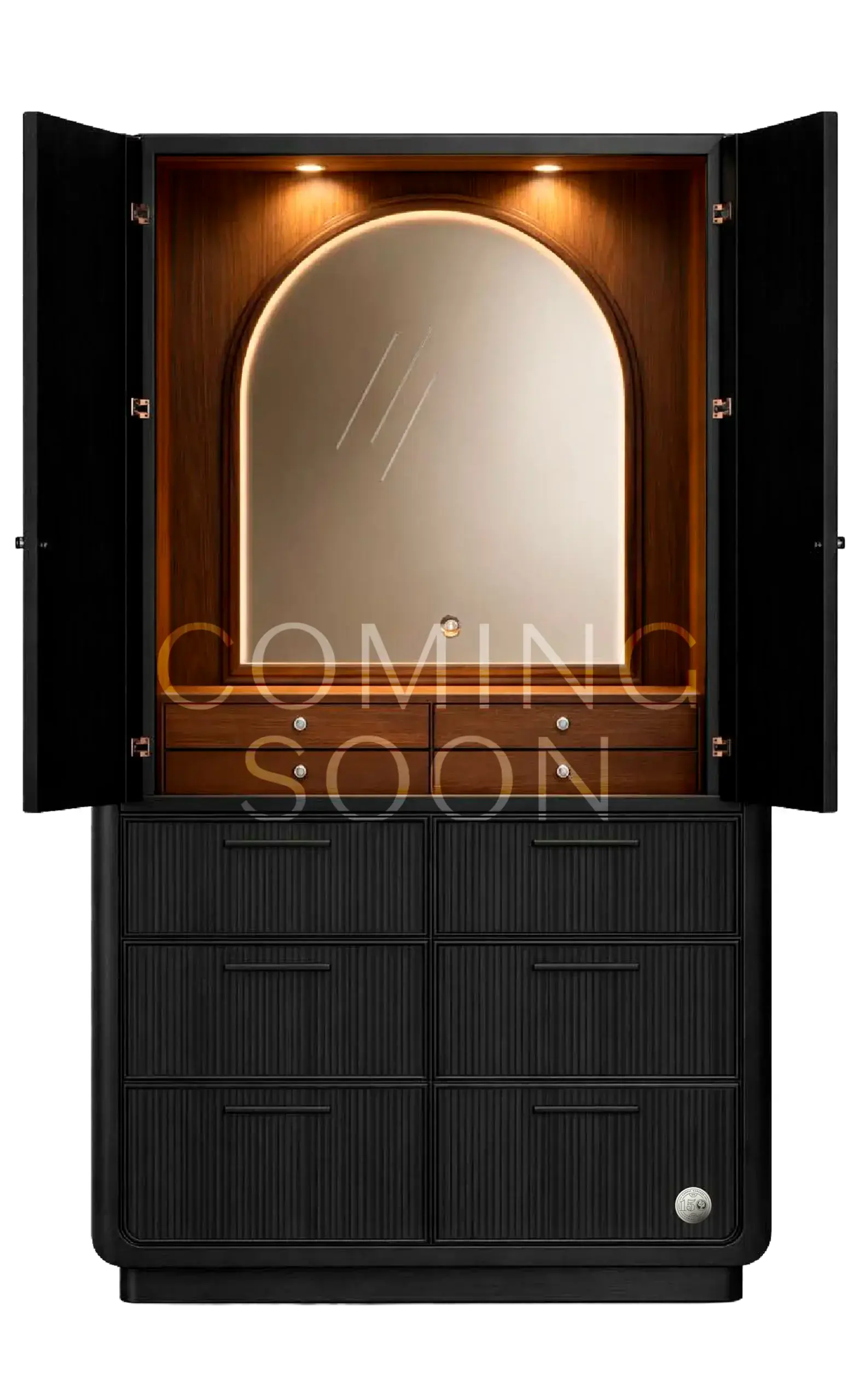
MODEL E
Meet the Family
THE TRADITIONAL HOOSIER, FAITHFULLY REINTERPRETED.
MODEL A
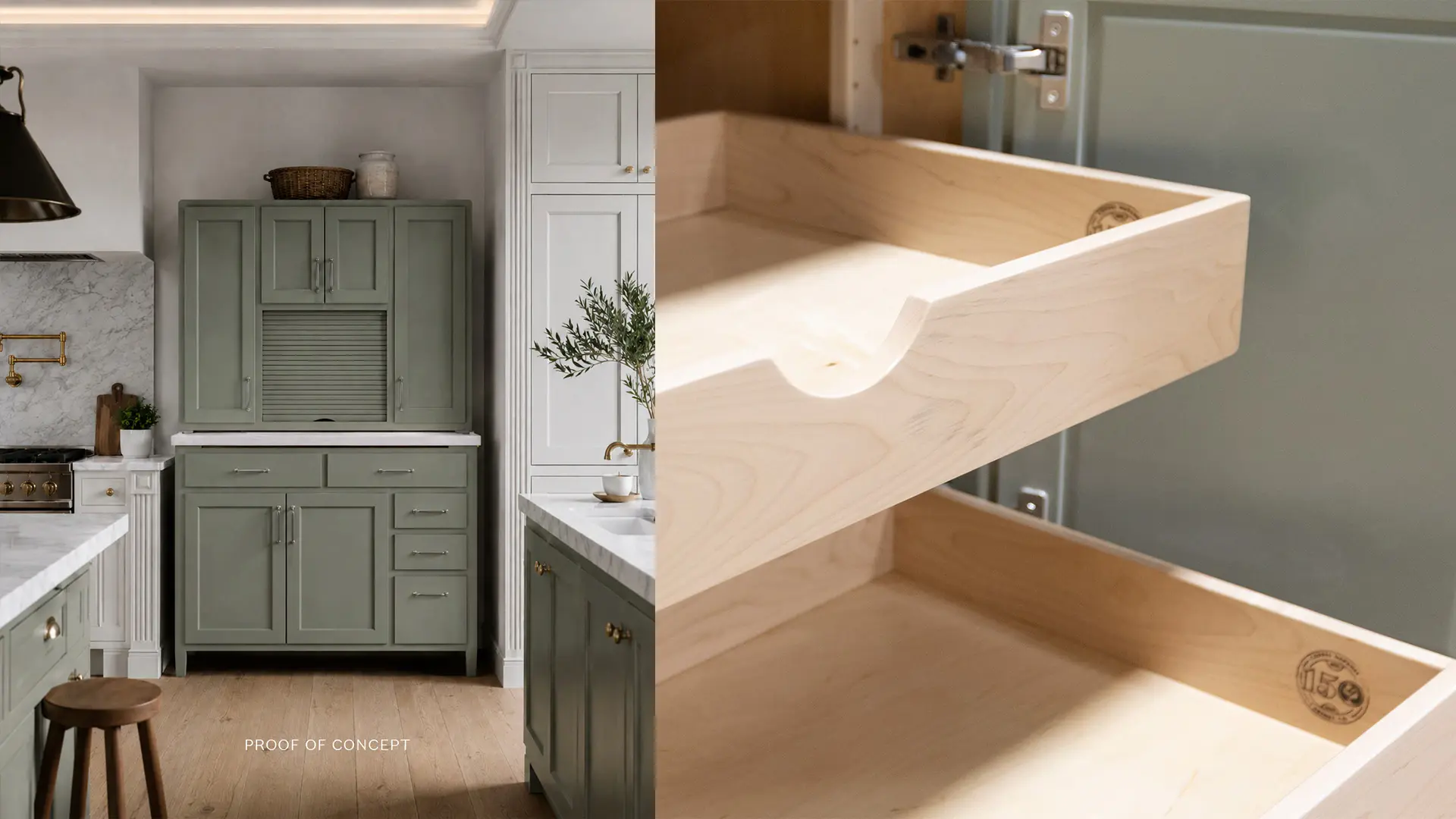
The tambour door still rolls. The countertop still pulls out. The upper cabinet still organizes everything you reach for most. What's changed is the construction precision, the finish quality, and the range of ways to make it yours. Specify your wood species, finish, door style, and countertop. It arrives complete and ready to place.
PRICE: $6,500
AN EYE FOR THE UNEXPECTED
MODEL B
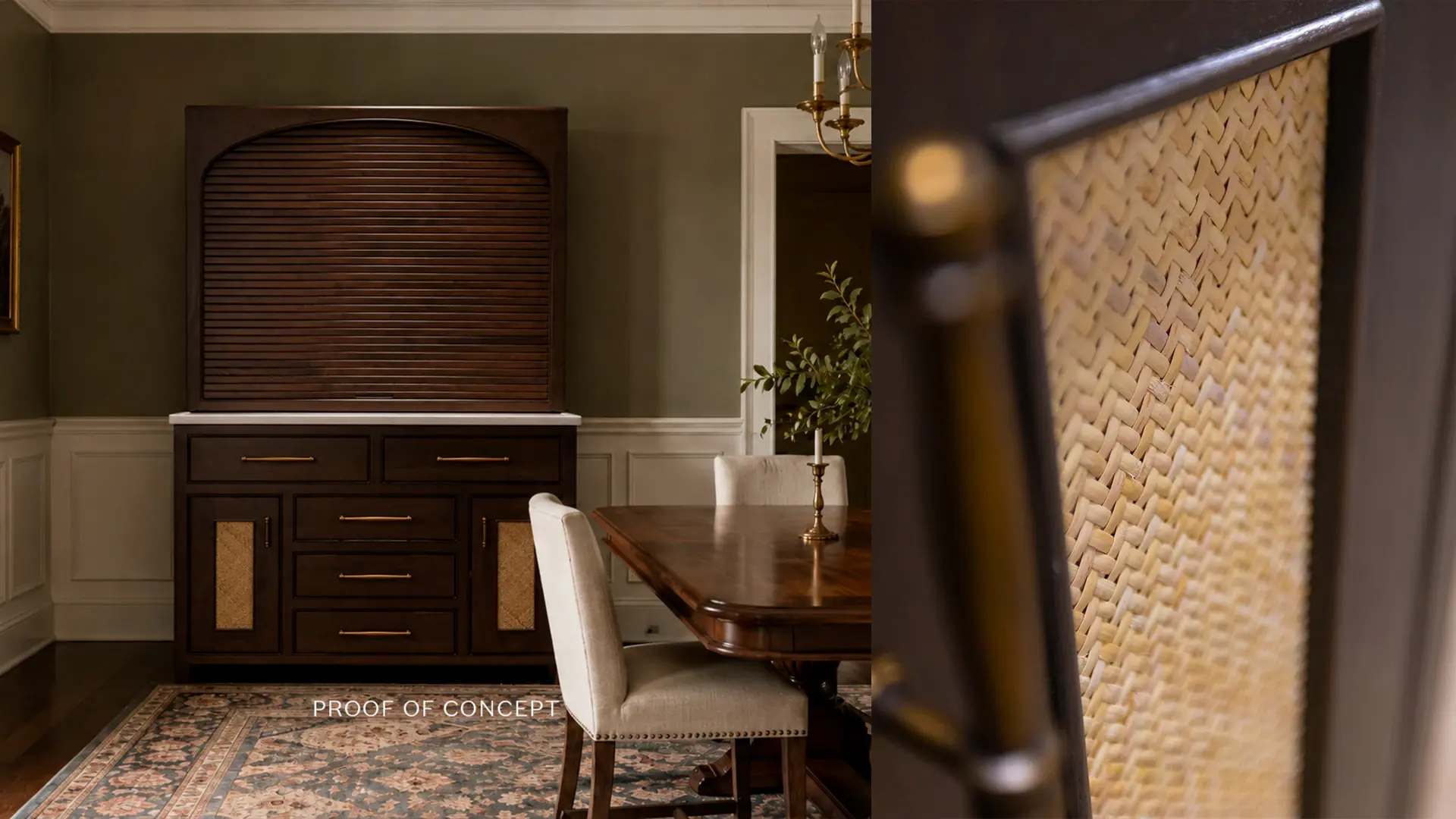
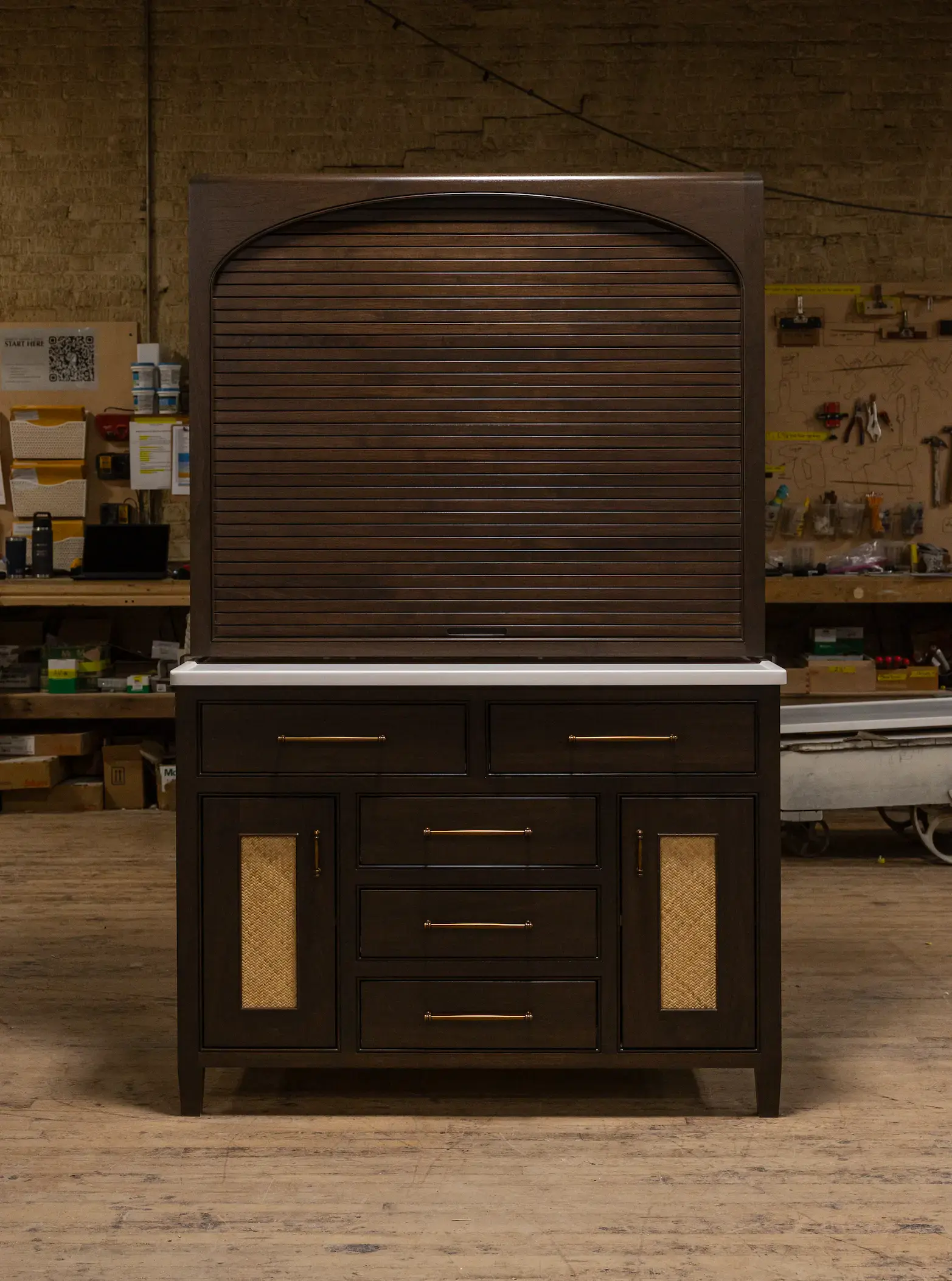
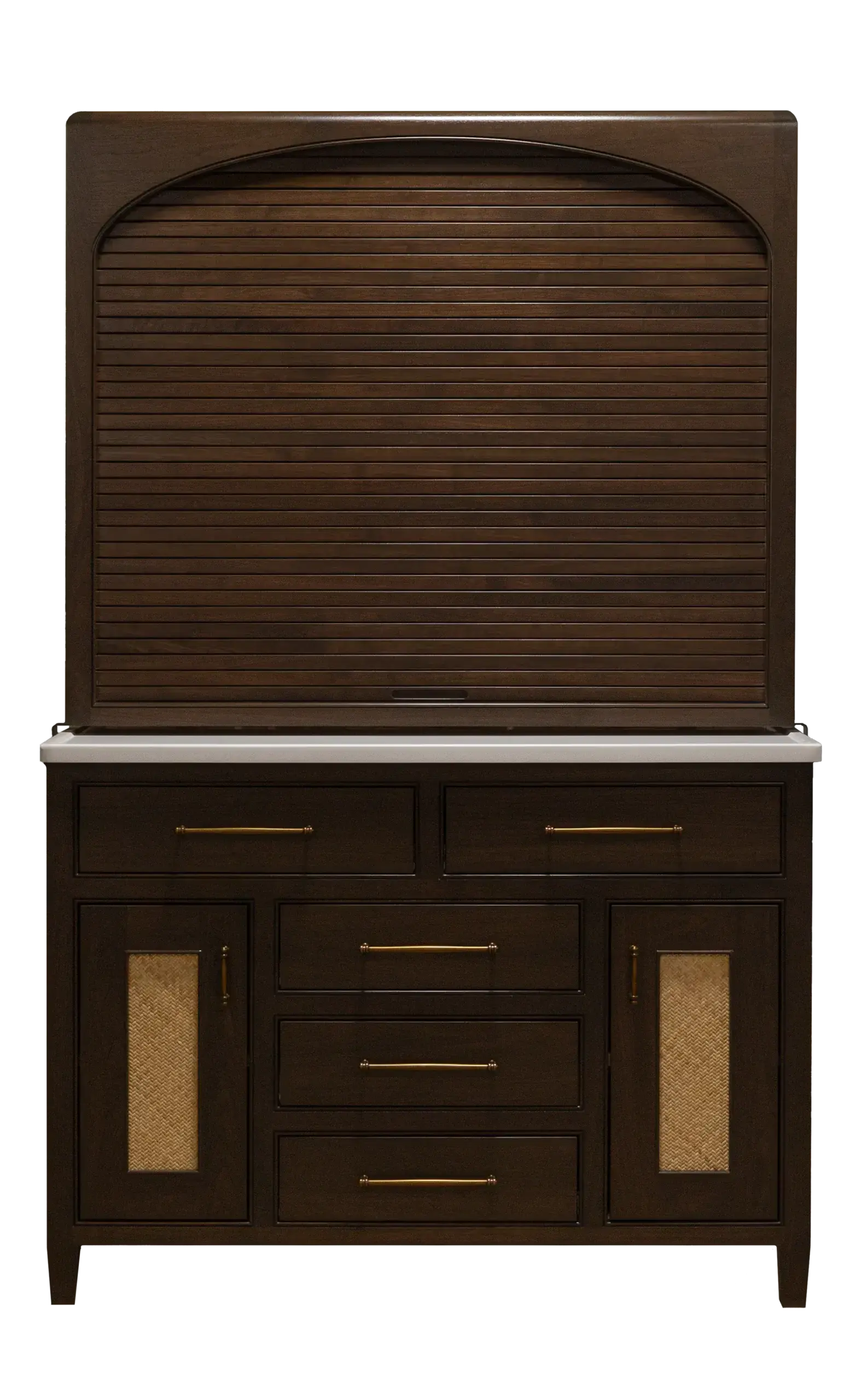
Model B takes the classic Hoosier silhouette and pushes it somewhere new. The upper cabinet centers on a signature arched tambour that opens to reveal adjustable shelving behind. Flanking the tambour, cane webbing panel overlays bring warmth and texture without adding visual weight. When the tambour is closed, the arch reads as a quiet piece of sculpture. When it opens, it becomes a fully functional display cabinet. Model B is the Hoosier for the person who wants the history and the craft, but wants it to feel entirely their own.
PRICE: $7,500
BUILT FOR COFFEE
MODEL C
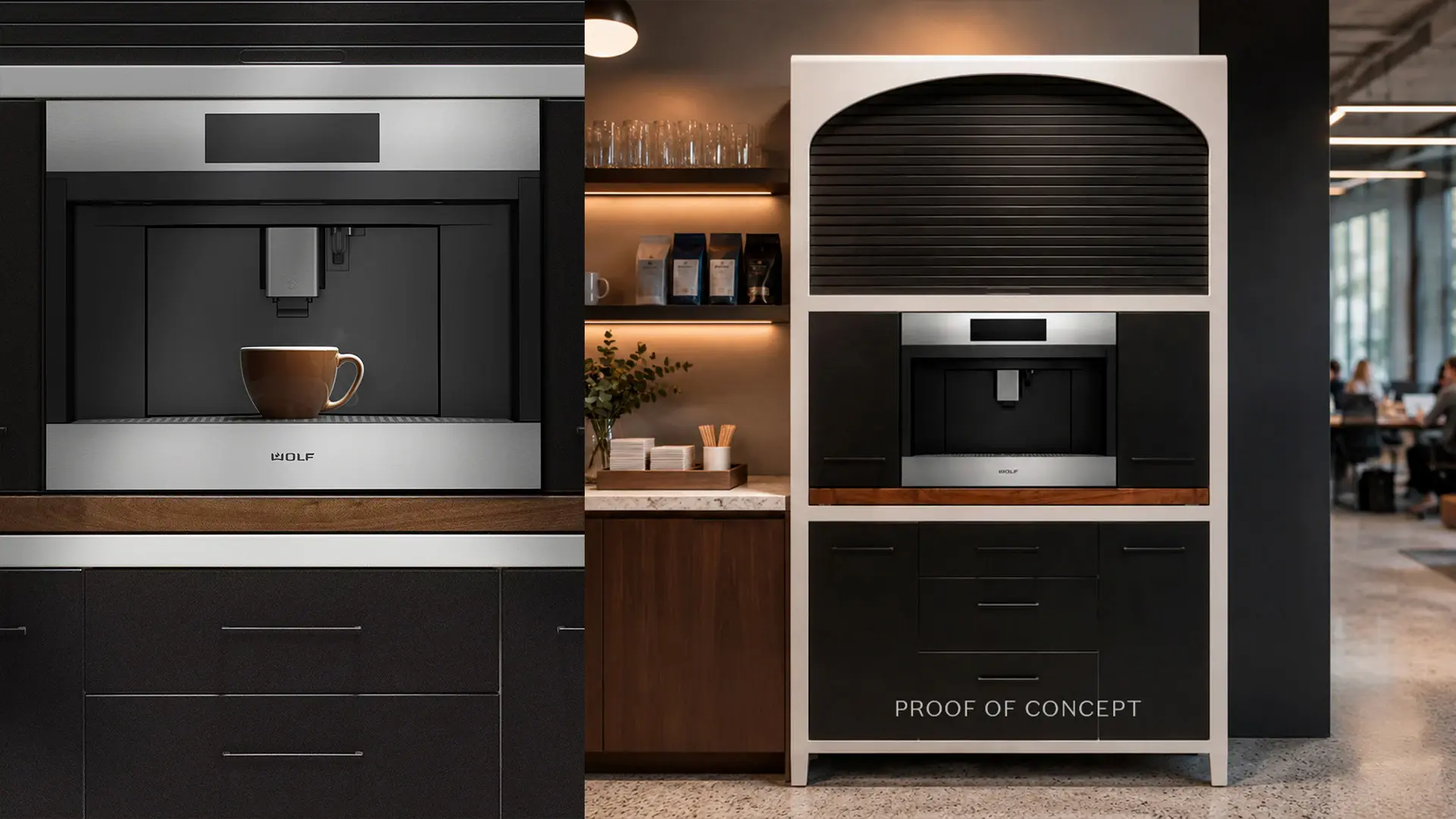
Model C starts with the classic Hoosier form and rebuilds it entirely around the modern kitchen bar. The tambour opens to reveal a dedicated appliance space with a built-in plumbing knockout for a Wolf or comparable built-in coffee machine—or leave it open for an espresso setup, grinder, and gear. The countertop pulls out to extend your workspace when you need it. Below, a waste pullout and drawer stack keep the counter clear. Model C is a home bar, a coffee station, a butler's pantry in a single piece.
PRICE: $10,000
With Wolf® Coffee Machine: $15,000
Own a Piece of History
Each Hoosier Cabinet is built to order in Nappanee, Indiana—the same town, the same hands, the same commitment to work that lasts. Reserve yours today with a deposit and our team will walk you through every specification: wood species, finish,
countertop, and configuration.
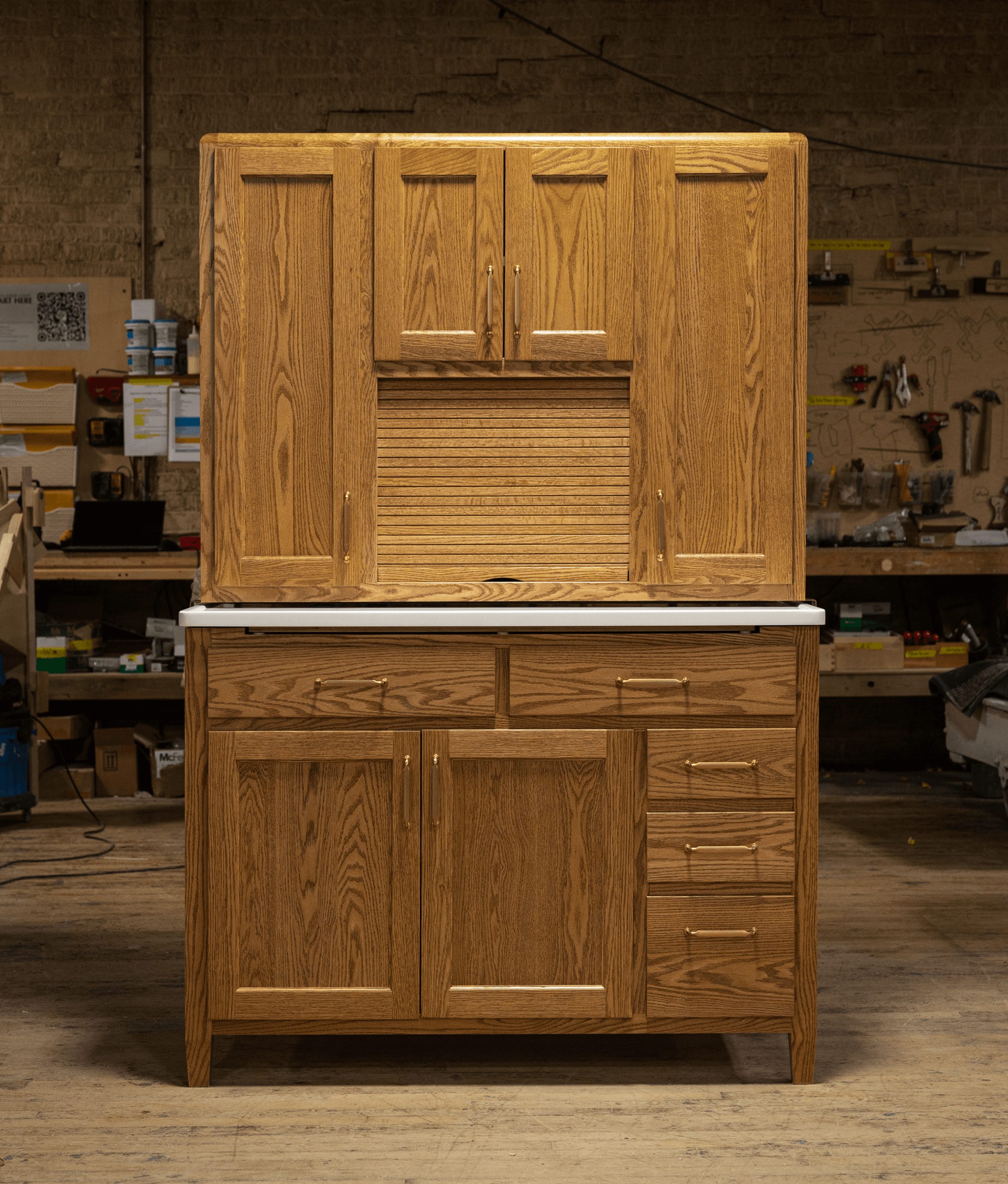

Own a Piece of History
Each Hoosier Cabinet is built to order in Nappanee, Indiana—the same town, the same hands, the same commitment to work that lasts. Reserve yours today with a deposit and our team will walk you through every specification: wood species, finish,
countertop, and configuration.
The Story So Far
Customization Options
MODEL A
PAINT OPTIONS
HARDWARE
WOOD SPECIES & STAINS
Countertop options
MODEL B
PAINT OPTIONS
HARDWARE
WOOD SPECIES & STAINS
Countertop options
MODEL C
PAINT OPTIONS
Please note that Model C offers matte black doors & drawers as a standard. Color selections are for the body of the cabinet.
HARDWARE
WOOD SPECIES & STAINS